10, or 25 mg D9 THC paired with placebo or alcohol drinks Participants drank 95% alcohol mixed with sugar-free cherry Kool-aid Participants consumed the alcohol first, and then cannabis Conclusion: [breath alcohol concentration = BrAC = breathalyser] All active drug conditions except the 10 mg THC alone condition produced measurable driving impairment relative to placebo The combo of 0.05% BrAC with 25 mg THC yielded impairment comparable to 0.08% BrAC with 10 mg THC meaning modest alcohol plus a higher edible dose matched the impairment seen at the legal limit The 0.08% BrAC plus 25 mg THC combination was significantly worse than 0.08% BrAC alone Limations: 1) the sample size was only 25 participants 2) all participants reported prior use of cannabis and alcohol together 3) the mean age was 25 4) the driving was simulated To view or add a comment, sign in This is concerning and something AOD practitioners need on their radar

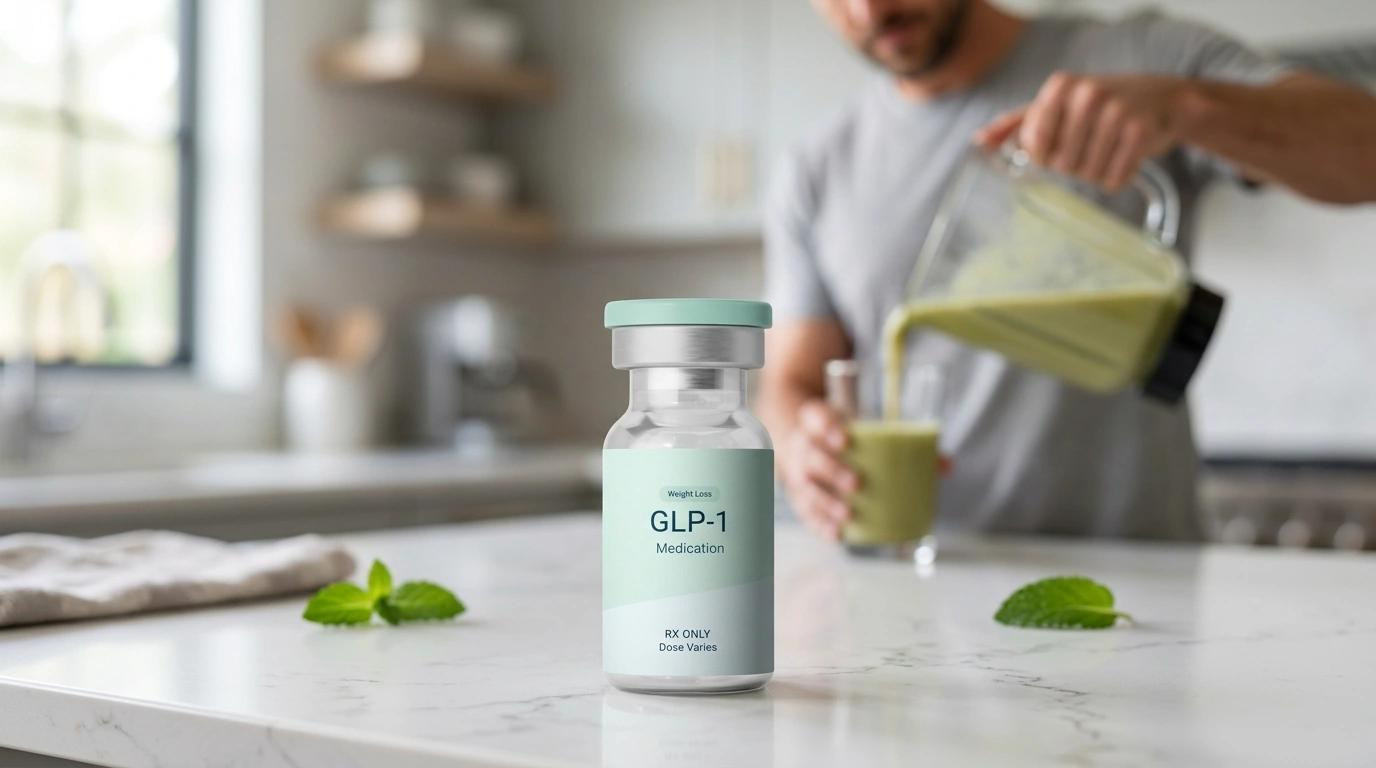
Real Patient Experiences with GLP-1 Complications Some patients celebrate remarkable results
[DOI] [PMC free article] [PubMed] [Google Scholar] 145.Hurtado I, Robles C, Peir S, Garca-Sempere A, Sanflix-Gimeno G
Embracing innovative treatments can support your path to well-being
After growth hormone is released, it goes to most of the cells in the body where it controls and metabolizes growth
Recognizing Signs of Interaction Symptoms to Watch For Patients should stay alert to signs of drug interactions, including persistent nausea, dizziness, fluctuating blood sugar levels, and worsening digestive symptoms