Jangid, P., Malik, P., Singh, P., Sharma, M., & Gulia, A

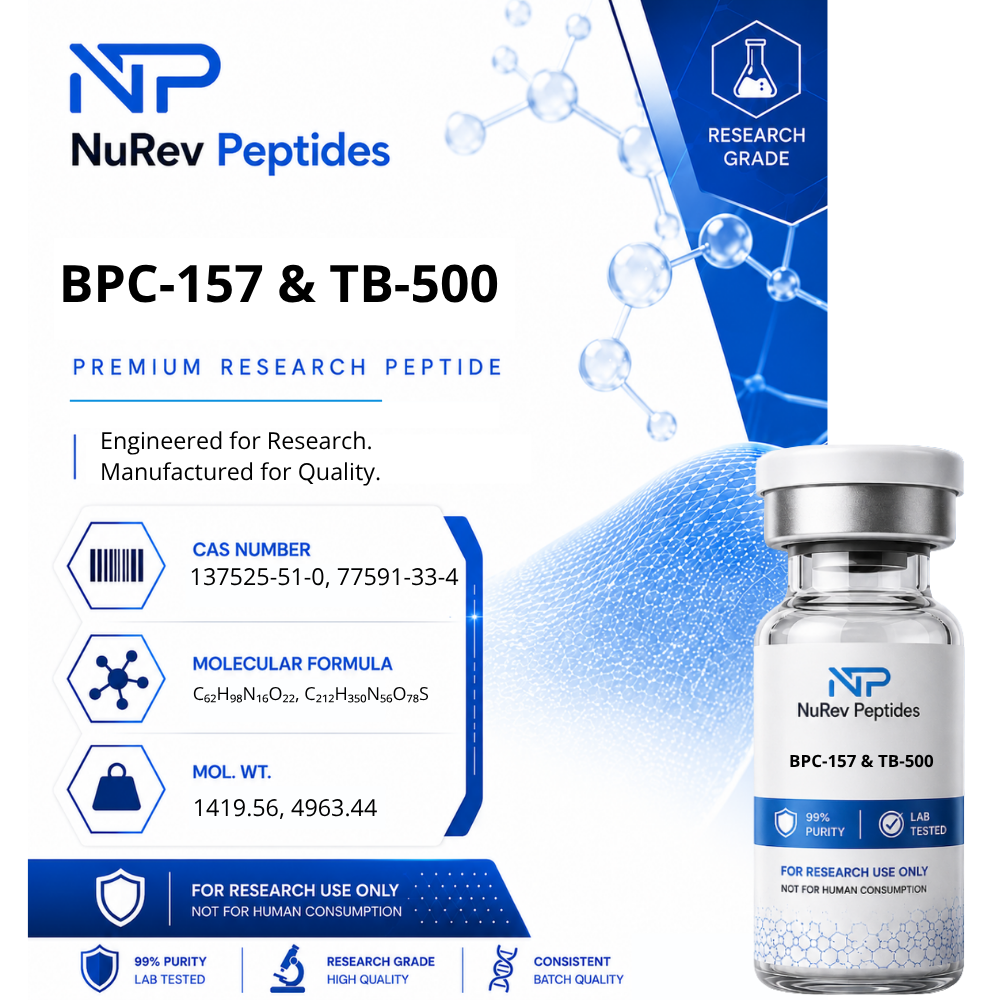
Recovery from brain injury and stroke Stroke recovery support: Reduces ischemic damage (lack of oxygen) Enhances neuronal survival in penumbra (border zone) Supports neuroplasticity for functional recovery Improves rehabilitation outcomes Accelerates cognitive function return Traumatic brain injury (TBI): Reduces acute inflammation Protects neurons from secondary injury Supports tissue repair Enhances recovery of cognitive function Reduces long-term neurological deficits Russian clinical use: Administered post-stroke in hospitals Part of rehabilitation protocols Often combined with other peptides Decades of clinical experience Considered standard neuroprotective agent Mechanism in brain injury: Reduces excitotoxicity (glutamate-induced damage) Enhances mitochondrial function in stressed neurons Upregulates neurotrophic factors (BDNF, NGF) Reduces oxidative stress Supports blood-brain barrier repair Combination with other healing peptides: BPC-157 : Systemic tissue healing , angiogenesis TB-500 : Cell migration, tissue repair Pinealon: Brain-specific neuroprotection See best peptides for injury recovery and BPC-157 vs TB-500

That's why we offer customization options for your IV drip flu treatment: Dose Adjustments : The amounts of certain components, particularly vitamin C, can be adjusted based on your body weight, symptom severity, and preferences
Oakes, J
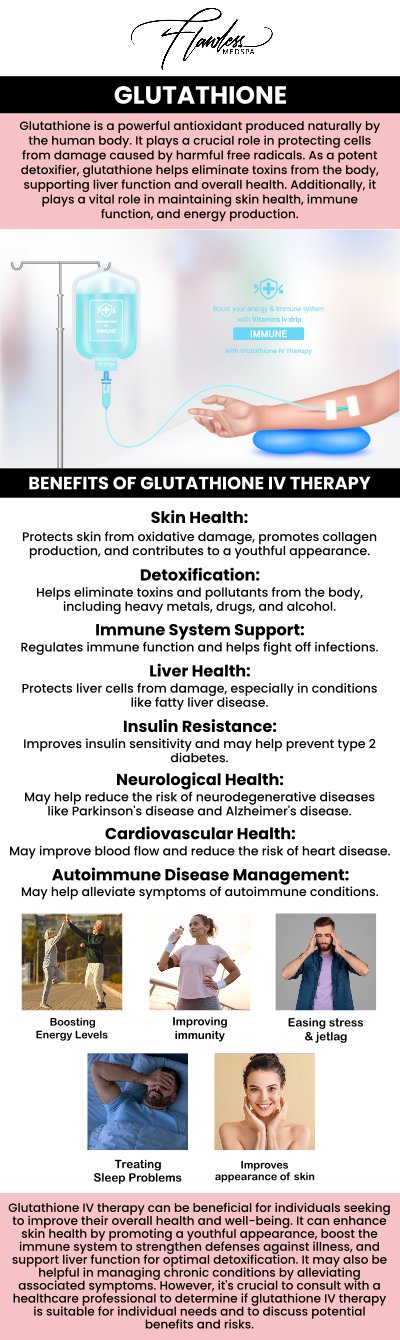
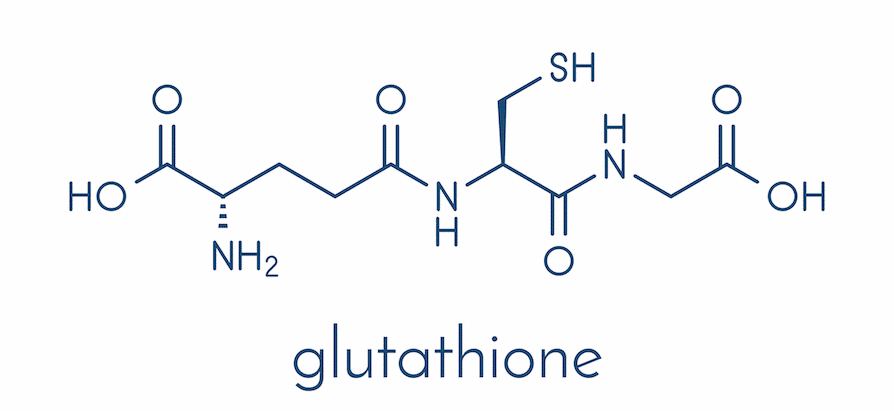
Naturally produced in the liver and present in every cell, it serves as a potent antioxidant that neutralizes free radicals and supports essential cellular functions
J Cataract Refract Surg 35:214953, PMID: 19969222 Calabrese V, Cornelius C, Rizzarelli E, Owen JB, Dinkova-Kostova AT, Butterfield DA (2009) Nitric oxide in cell survival: a Janus molecule