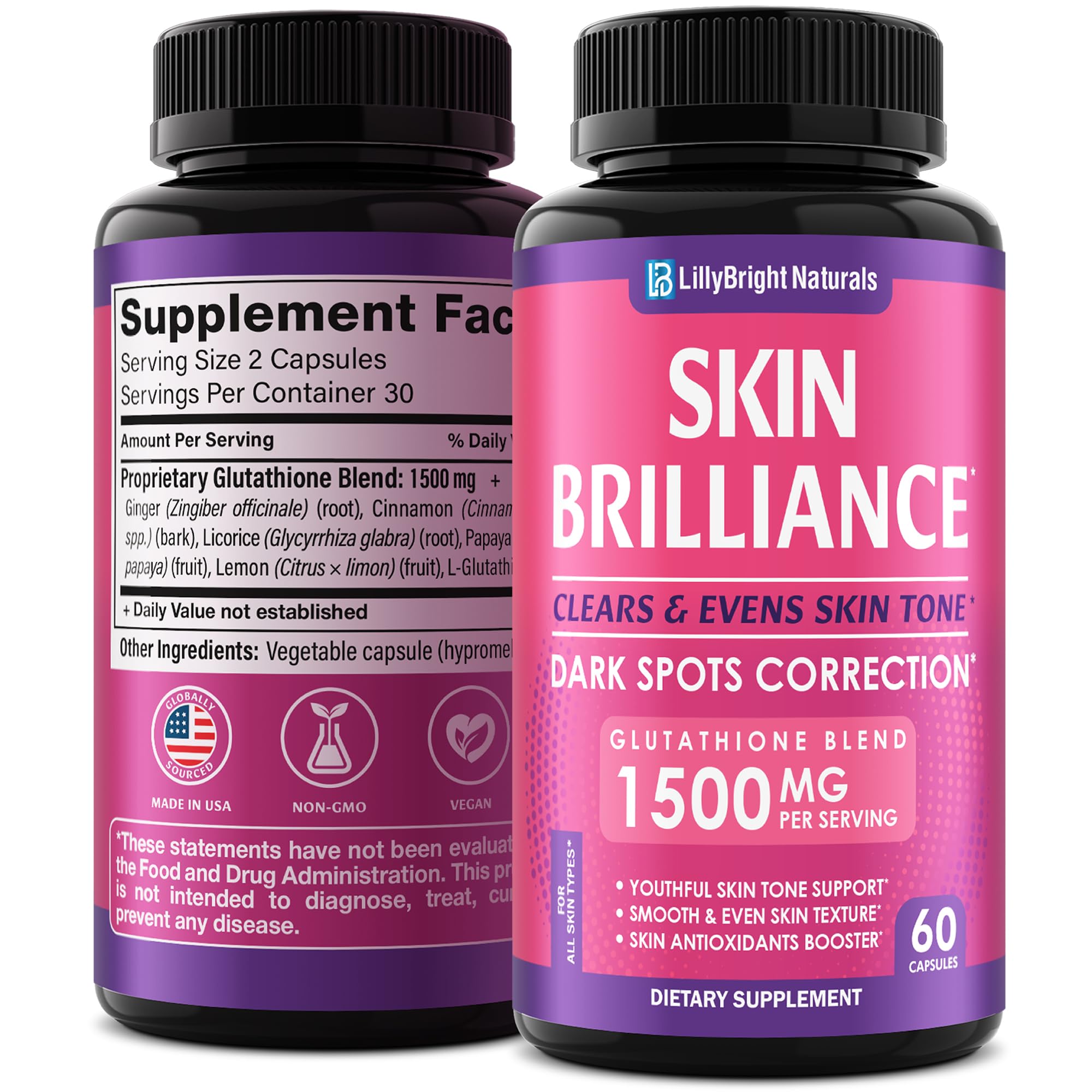
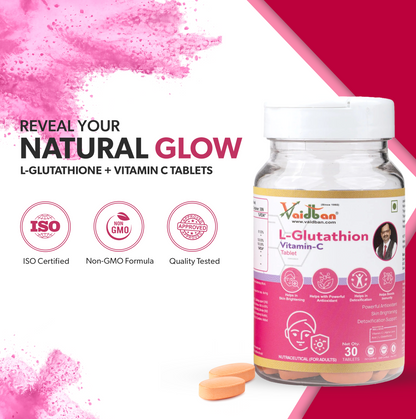
The scientific rationale for a nutritional approach Several studies have revealed in patients with vitiligo specific nutritional and biological characteristics that justify nutritional support: Major oxidative stress in melanocytes: justification for antioxidants (vitamin C, E, glutathione, selenium) More frequent deficiencies in vitamin D, vitamin B12, folate and zinc in several studies Melanin synthesis dependent on precursors (tyrosine, phenylalanine) and enzymatic cofactors (copper, zinc) Documented action of certain plants (Ginkgo biloba, Polypodium leucotomos) in randomized clinical trials What the nutritional approach does not do Let's be clear and honest: It does not cure vitiligo It does not replace medical treatments It does not work for all patients Results are not guaranteed What it can do Support the physiological mechanisms of repigmentation Address nutritional deficiencies commonly found Reduce oxidative stress documented in patients Enhance the efficacy of phototherapy according to several studies Fit into a holistic approach with healthy lifestyle habits and medical follow-up The nutritional approach is therefore positioned as a complementary tool , never central, but which can have its place in a comprehensive management plan
Bradway told Cramer that the pharmaceutical giant expects the drug can be used monthly or even less frequently, saying he's encouraged about data that suggests it can be taken quarterly
Loi M, Fanelli F, Cimmarusti MT, Mirabelli V, Haidukowski M, Logrieco AF, Caliandro R, Mule G (2018) In vitro single and combined mycotoxins degradation by Ery4 laccase from Pleurotus eryngii and redox mediators
Schedule a consultation with the Belovese team to discuss treatment options and determine whether GLP one injections Tifton GA may support your weight management goals
If you do have a family history of breast cancer, its best to speak with your doctor to address any concerns
ALA: Alpha-Linolenic Acid,GPX4: Glutathione Peroxidase 4, GSH: glutathione, CISD2: CDGSH, Iron Sulfur Domain 2, SLC7A11: Solute Carrier Family 7 Member 11, IGF2BP3: Insulin-Like Growth Factor 2 mRNA, Binding Protein 3, RM: Recurrent miscarriage, EMT: Epithelial-Mesenchymal Transition, HIF1: Hypoxia-Inducible Factor 1 Alpha, lnc-HZ06: Long Non-coding RNA HZ06, NCOA4: Nuclear Receptor Coactivator 4, lncRNA: Long Non-coding RNA, ROS: reactive oxygen species, TP53: Tumor Protein 53, EZH2: Enhancer of Zeste Homolog 2, TIMP1: Tissue inhibitor matrix metalloproteinase 1, SLC3A2: Solute Carrier Family 3 Member 2, GABARAPL2: Gamma-aminobutyric acid receptor-associated protein-like 2